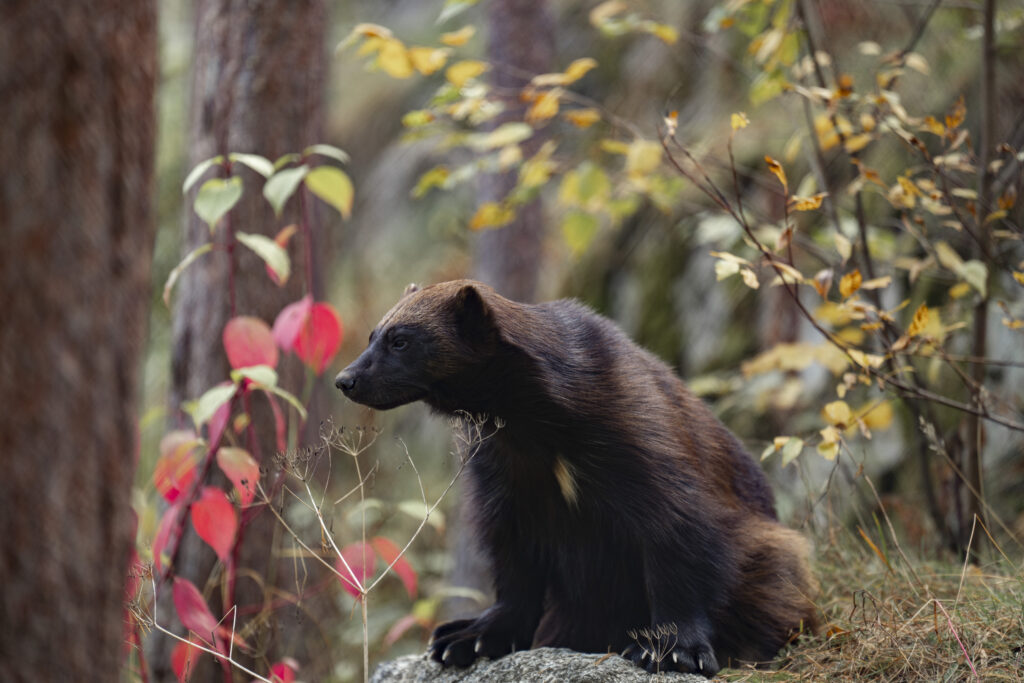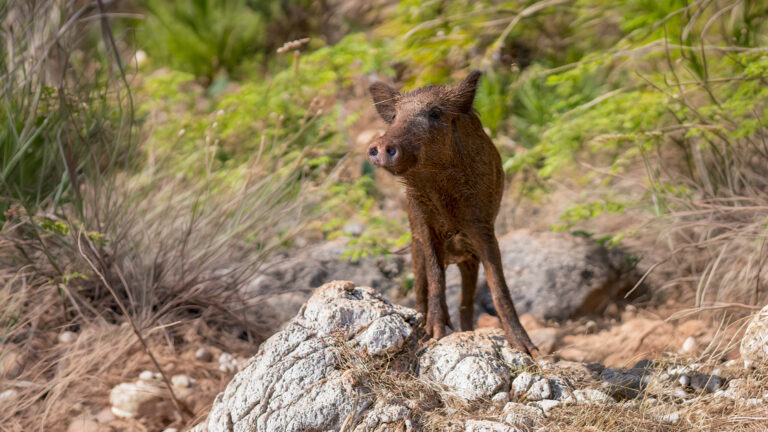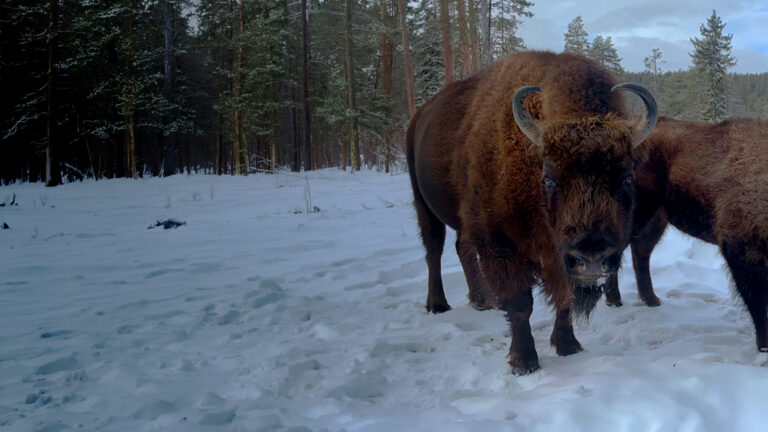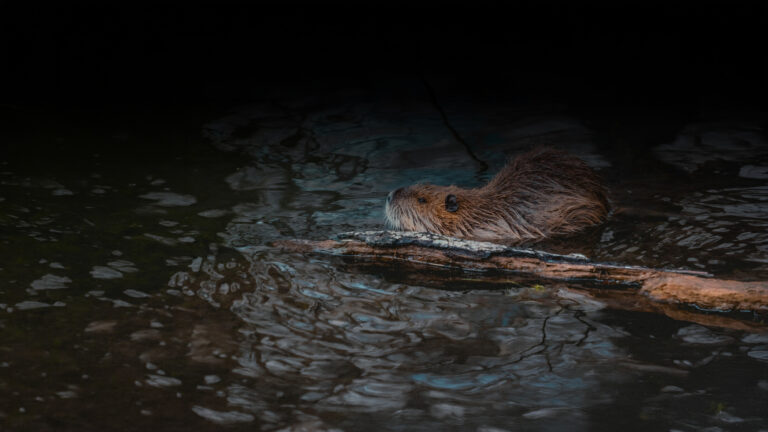

(Lutra lutra) The otter has declined catastrophically in our country since the 1950s, when it was common throughout the land. Today, the otter is still commonly found in northern Sweden, as well as in small scattered groups in southern Sweden. In late winter, the male and female may be together; otherwise, they live alone. The cubs are usually born in May in our country. They weigh about 130 g at birth and are blind for the first 2 weeks. There are usually 2 of them and they nurse for 2 months, but stay with their mother for a full year.
Quick facts about Otter
- Order
- Order Carnivora
- Family
- Mustelids (Mustelidae)
- Weight
- 8 – 12 kg (male) 6 – 8 kg (female)
- Lifespan
- 18 – 20 years
- Mating season
- Probably two mating seasons – March-April and likely also during the summer.
- Gestation
- 60 – 63 days. Possibly also delayed implantation.
- Young
- Usually 2, can vary between 1 – 5; they reach sexual maturity at 2 – 3 years of age.







Our Mission
More and more animal species around the world are threatened with extinction, and the list of species at risk of disappearing continues to grow. The conservation of threatened species is now a shared responsibility for zoos around the world. Our aim is to create greater understanding of the irreplaceable value of nature and biodiversity. Through research, we learn more about the animals, giving us greater opportunities in our work to conserve endangered species. Our three most important missions as a zoo are: conservation, education and research.